Engineering Services for Product Design and Manufacturing Readiness in Dallas-Fort Worth
Engineering Services for Product Design and Manufacturing Readiness in Dallas-Fort Worth: Precision 3D Fabrication and Validation Solutions
In the competitive landscape of product design and manufacturing, precision engineering services play a crucial role in ensuring that products are not only designed effectively but also ready for market. This article delves into the various engineering services available in the Dallas-Fort Worth area, focusing on precision 3D fabrication and validation solutions. Readers will learn about the significance of these services in enhancing product development and manufacturing readiness, as well as the specific techniques and assessments involved. Many businesses face challenges in transitioning from design to production, often leading to delays and increased costs. By understanding the available engineering services, companies can streamline their processes and improve their outcomes. This article will cover precision 3D fabrication services, product design validation, manufacturing readiness assessments, rapid prototyping solutions, and the role of custom engineering consulting.
What Are Precision 3D Fabrication Services in Dallas-Fort Worth?
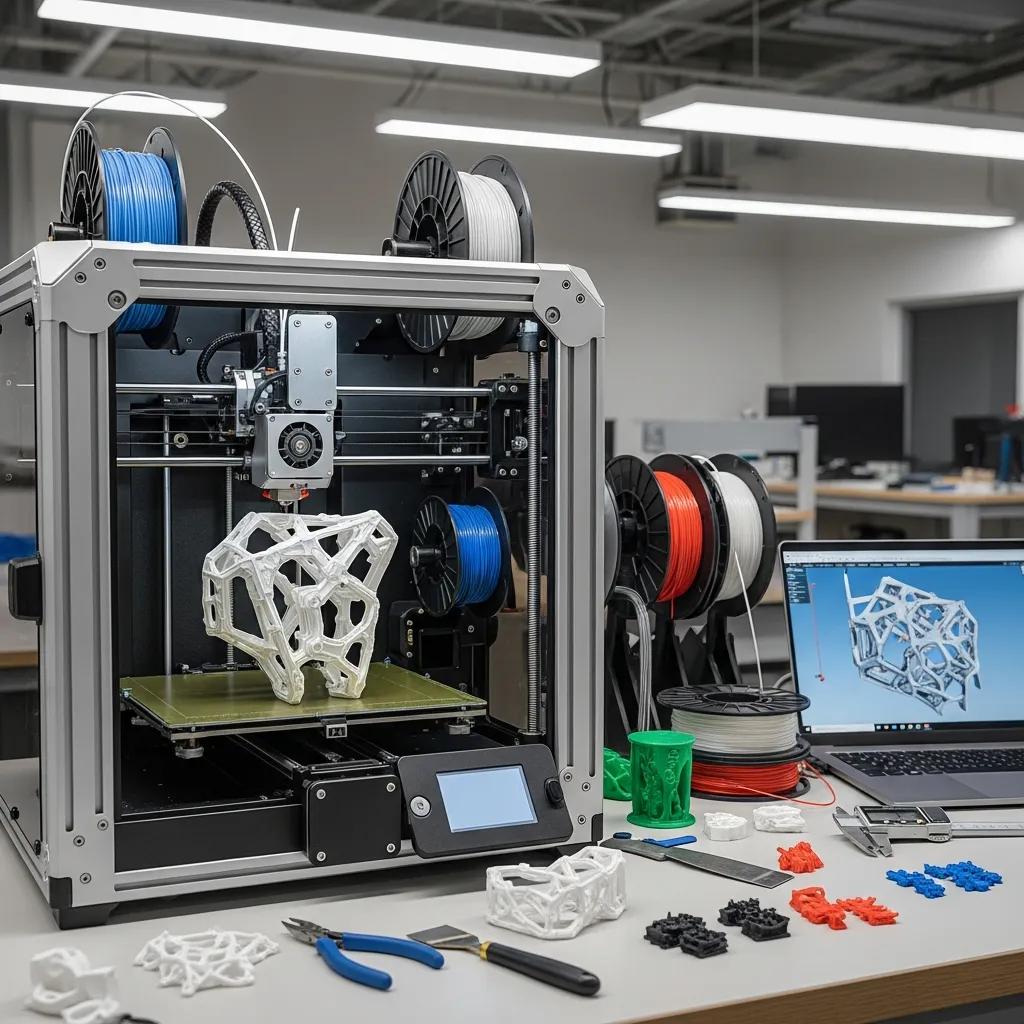
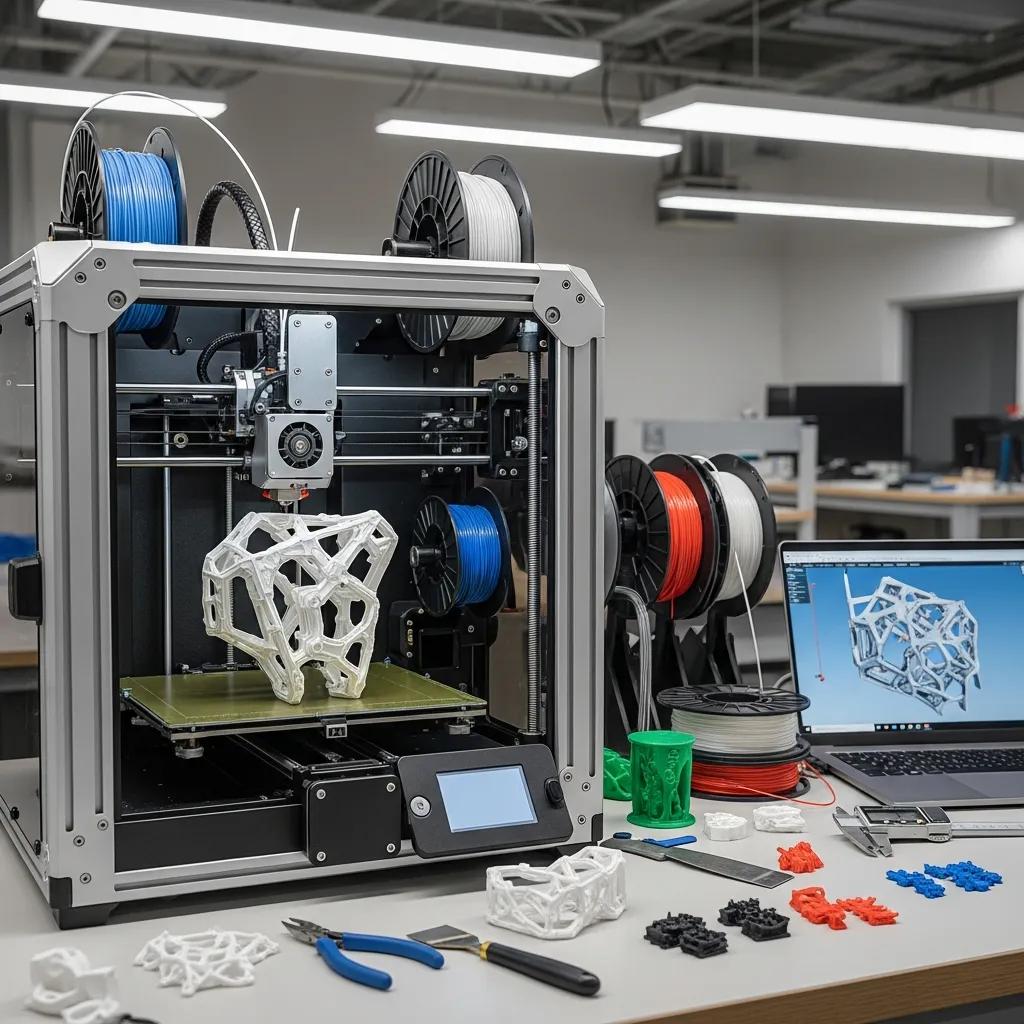
Precision 3D fabrication services involve the use of advanced technologies to create highly accurate and detailed prototypes and components. These services are essential in product development as they allow for rapid iteration and testing of designs before full-scale production. By utilizing techniques such as additive manufacturing, businesses can produce complex geometries that traditional manufacturing methods may not achieve. This capability not only accelerates the development process but also reduces costs associated with material waste and production errors.
For those seeking specialized medical applications, there are companies in Dallas-Fort Worth that provide 3D fabrication services catering to the healthcare industry. Their services ensure that prototypes meet stringent regulatory standards while also addressing specific patient needs.
This focus on precision is particularly vital in specialized fields, as demonstrated by research into medical applications.
How Does Precision 3D Fabrication Support Product Development?
Precision 3D fabrication significantly enhances product development by enabling rapid prototyping and testing. This process allows designers to create functional models quickly, facilitating early-stage evaluations and modifications. The speed of development is crucial, as it reduces the time to market and allows for faster feedback from stakeholders. Additionally, the cost-effectiveness of 3D fabrication minimizes the financial risks associated with traditional manufacturing methods, making it an attractive option for startups and established companies alike.
What Custom 3D Printing Manufacturing Options Are Available in DFW?
The Dallas-Fort Worth area offers a variety of custom 3D printing technologies tailored to meet diverse industry needs. Below is a comparison of the most common 3D printing methods available, highlighting their unique features and applications.
| 3D Printing Technology | Material Type | Key Features |
|---|---|---|
| Fused Deposition Modeling (FDM) | Thermoplastics | Durable prototypes with good mechanical properties. |
| Stereolithography (SLA) | Resins | High-resolution prints ideal for intricate designs. |
| Selective Laser Sintering (SLS) | Powdered materials | Strong, functional parts suitable for end-use applications. |
These 3D printing technologies provide businesses in the Dallas-Fort Worth area with versatile options for creating prototypes and final products, ensuring they can meet specific project requirements efficiently. Understanding the strengths of each method can help companies select the best approach for their manufacturing needs. In the Dallas-Fort Worth area, various custom 3D printing options are available to meet diverse industry needs. These include:
FDM 3D Printing: Shape Accuracy Evaluation & Validation
In this paper, evaluation and validation of the shape accuracy of fabricated models using Fused Deposition Modelling technique is presented. The surface deviation between anatomical models (a mandible) derived from Computed Tomography and their virtual presentation was investigated. A high level of conformity with regard to the surface feature of the anatomical part was observed. Furthermore, surface deviations in the range of ±0.5 mm with an absolute mean deviation of 0.159 mm for the model were reported.
Evaluation and validation of the shape accuracy of FDM fabricated medical models, SH Masood, 2010
These technologies cater to a wide range of applications, from consumer products to specialized medical devices, ensuring that businesses can find the right solution for their specific requirements.
How Do Product Design Validation Services Enhance Manufacturing Readiness in Texas?
Product design validation services are critical in ensuring that products are ready for manufacturing. These services involve systematic testing and evaluation of designs to confirm that they meet specified requirements and standards. By validating designs early in the development process, companies can identify potential issues and make necessary adjustments before moving to production. This proactive approach not only enhances product quality but also reduces the likelihood of costly recalls or redesigns later on.
What Techniques Are Used for Effective Product Design Validation?

This table outlines the key techniques employed in product design validation, highlighting their specific focus areas and objectives. Understanding these techniques is essential for enhancing the overall quality and reliability of the final product.
| Validation Technique | Focus Area | Objective |
|---|---|---|
| Functional Testing | Performance Assessment | Evaluate the product's performance against its intended use. |
| Compliance Testing | Regulatory Standards | Ensure the product meets industry regulations and standards. |
| User Testing | Usability Feedback | Gather feedback from end-users to identify usability issues. |
By employing these validation techniques, companies can significantly improve product quality and reliability, ensuring that their offerings meet both market expectations and regulatory requirements.
Why Is Early Design Validation Critical for Manufacturing Success?
Early design validation is crucial for manufacturing success as it helps to mitigate risks associated with product failures. Research indicates that addressing design flaws in the early stages can lead to significant cost savings, with estimates suggesting that resolving issues at this stage can be up to 10 times less expensive than making changes during production. Furthermore, early validation ensures that products are not only functional but also align with market expectations, ultimately leading to higher customer satisfaction and reduced time to market.
What Is Included in a Manufacturing Readiness Assessment in Dallas-Fort Worth?

A manufacturing readiness assessment is a comprehensive evaluation of a product's design and production processes to ensure that it is prepared for manufacturing. This assessment typically includes a review of design specifications, material selection, and production methods. By conducting a thorough assessment, companies can identify potential bottlenecks and areas for improvement, leading to more efficient production processes.
Further emphasizing the importance of a structured approach, research highlights how assessing a factory's readiness for advanced manufacturing technologies directly correlates with improved operational performance.
Smart Manufacturing Readiness & Performance Validation
Smart manufacturing, today, is the ability to continuously maintain and improve performance, with intensive use of information, in response to the changing environments. Technologies for creating smart manufacturing systems or factories are becoming increasingly abundant. Consequently, manufacturers, large and small, need to correctly select and prioritize these technologies correctly. In addition, other improvements may be necessary to receive the greatest benefit from the selected technology. This paper proposes a method for assessing a factory for its readiness to implement those technologies. The proposed readiness levels provide users with an indication of their current factory state when compared against a reference model. Knowing this state, users can develop a plan to increase their readiness. Through validation analysis, we show that the assessment has a positive correlation with the operational performance.
An overview of a smart manufacturing system readiness assessment, K Jung, 2016
Key Process Steps Evaluated During Manufacturing Readiness Assessments
This table outlines the essential process steps evaluated during a manufacturing readiness assessment, highlighting their specific focus areas and objectives. Understanding these steps is crucial for ensuring that products are prepared for efficient manufacturing.
| Process Step | Focus Area | Objective |
|---|---|---|
| Design Review | Manufacturability and Compliance | Identify design flaws and ensure adherence to industry standards. |
| Material Evaluation | Suitability for Production | Assess material properties for intended applications and methods. |
| Production Planning | Efficiency and Scalability | Review processes to optimize production flow and capacity. |
By evaluating these key process steps, companies can enhance their manufacturing readiness, leading to improved efficiency, reduced costs, and higher product quality. This structured approach ensures that all aspects of production are aligned and ready for implementation. During a manufacturing readiness assessment, several key process steps are evaluated, including:
How Do Manufacturing Readiness Assessments Improve Production Outcomes?
Manufacturing readiness assessments lead to improved production outcomes by identifying and addressing potential issues before they arise. By ensuring that designs are optimized for manufacturability, companies can reduce waste, enhance efficiency, and improve product quality. Additionally, these assessments provide valuable insights that can inform future product development efforts, ultimately leading to a more streamlined and effective manufacturing process.
What Rapid Prototyping Solutions Are Offered by Engineering Services in DFW?
Rapid prototyping solutions are essential for businesses looking to accelerate their product development cycles. These services allow for the quick creation of prototypes that can be tested and refined before full-scale production begins. By utilizing advanced technologies, companies can iterate on designs rapidly, ensuring that they meet market demands and customer expectations.
How Does Rapid Prototyping Accelerate Product Development Cycles?
Rapid prototyping accelerates product development cycles by enabling faster iterations and reducing the time required for testing and validation. This process allows teams to quickly identify design flaws and make necessary adjustments, ultimately leading to a more efficient development timeline. The ability to produce prototypes in a matter of days rather than weeks or months can significantly enhance a company's competitive edge in the market.
What Technologies and Materials Are Used in Rapid Prototyping Services?
Technologies and Materials Used in Rapid Prototyping Services
This table outlines the various technologies and materials employed in rapid prototyping services, highlighting their specific applications and benefits. Understanding these options can help businesses select the most suitable approach for their prototyping needs.
| Prototyping Technology | Material Types | Key Benefits |
|---|---|---|
| 3D Printing | Plastics, Metals | Versatile methods for creating complex geometries quickly. |
| CNC Machining | Metals, Plastics | High precision and capability to produce functional prototypes. |
| Injection Molding | Thermoplastics, Elastomers | Ideal for high-quality prototypes in larger quantities. |
By leveraging these technologies, businesses can enhance their prototyping processes, ensuring flexibility and efficiency in product development. Each method offers unique advantages that cater to different project requirements, making it essential to choose the right one for optimal results.
Various technologies and materials are employed in rapid prototyping services, including:
How Can Custom Engineering Consulting Support Manufacturing Readiness in Texas?
Custom engineering consulting plays a vital role in supporting manufacturing readiness by providing expert guidance on product design and production processes. These consulting services help businesses optimize their designs for manufacturability, ensuring that products can be produced efficiently and cost-effectively.
What Consulting Services Help Optimize Product Design for Manufacturability?
This table outlines key consulting services that focus on enhancing product design for manufacturability. Each service is designed to address specific challenges and improve overall production efficiency.
| Consulting Service | Description | Benefits |
|---|---|---|
| Design for Manufacturing (DFM) | Analyzing designs to identify potential manufacturing challenges and recommending adjustments. | Improves manufacturability and reduces production issues. |
| Material Selection Consulting | Assisting companies in choosing the right materials for their products based on performance and cost considerations. | Ensures optimal material use, enhancing product quality and cost-effectiveness. |
| Process Optimization | Evaluating existing production processes and suggesting improvements to enhance efficiency and reduce waste. | Streamlines operations, leading to lower costs and increased productivity. |
By leveraging these consulting services, businesses can significantly enhance their manufacturing processes, leading to improved efficiency and reduced costs. Integrating design and manufacturing knowledge is essential for achieving optimal results in product development.
Manufacturing Readiness & Design for Manufacturing Integration
Many companies have been reorganizing from a sequential to an integrated path known as simultaneous engineering, which aims to reduce development time and costs. The main problem during technology and product development is the integration of the design and manufacturing areas in the product development phase. This paper proposes a model to improve the use of simultaneous engineering by integrating project and manufacturing knowledge areas based on concepts of manufacturing readiness level, design for manufacturing and assembly and technology readiness level. Based on a bibliographic review and a preliminary study conducted over 1 year in a multinational metalworking company, a model was proposed as a method to be applied in the early stages of product development. The results show an integration of proposed engineering areas into a product development process, a cost reduction of 20% and a manufacturing investment reduction of 25%.
Product innovation management model based on manufacturing readiness level (MRL), design for manufacturing and assembly (DFMA) and technology readiness …, CV Ferreira, 2021
How Do Local Engineering Experts Facilitate Manufacturing Process Validation?
Local engineering experts facilitate manufacturing process validation by leveraging their knowledge of regional industry standards and practices. Their expertise allows them to identify potential compliance issues and recommend solutions that align with local regulations. Additionally, these experts can provide tailored support to businesses, ensuring that their products meet both quality and regulatory requirements.
| Assessment Component | Evaluation Criteria | Expected Outcome |
|---|---|---|
| Design Review | Compliance with specifications | Identified design flaws |
| Material Evaluation | Suitability for production | Optimized material selection |
| Production Planning | Efficiency of processes | Streamlined production |
Frequently Asked Questions
What are the benefits of using 3D printing in product design?
3D printing offers numerous benefits in product design, including rapid prototyping, cost efficiency, and design flexibility. It allows designers to create complex geometries that traditional manufacturing methods cannot achieve. This technology enables quick iterations, allowing for faster testing and modifications based on feedback. Additionally, 3D printing reduces material waste, making it an environmentally friendly option. Overall, it accelerates the product development cycle, helping businesses bring their products to market more efficiently.
How can businesses ensure compliance with industry standards during product development?
To ensure compliance with industry standards during product development, businesses should integrate compliance testing into their design validation process. This involves conducting thorough assessments of the product against relevant regulations and standards early in the development cycle. Engaging with industry experts and utilizing specialized consulting services can also provide valuable insights into compliance requirements. Regularly updating knowledge on changing regulations and conducting user testing can further help in aligning products with industry standards.
What role does material selection play in manufacturing readiness?
Material selection is a critical component of manufacturing readiness as it directly impacts product performance, cost, and manufacturability. Choosing the right materials ensures that the product can withstand its intended use while meeting regulatory requirements. It also affects production processes, as some materials may be easier to work with than others. A thorough evaluation of material properties, costs, and compatibility with manufacturing methods is essential to optimize production efficiency and product quality.
What challenges do companies face when transitioning from design to production?
Companies often face several challenges when transitioning from design to production, including design flaws, material compatibility issues, and production inefficiencies. Misalignment between design specifications and manufacturing capabilities can lead to costly delays and increased expenses. Additionally, inadequate testing and validation can result in product failures post-launch. To mitigate these challenges, businesses should conduct comprehensive manufacturing readiness assessments and engage in early design validation to identify and address potential issues proactively.
How can custom engineering consulting improve product development processes?
Custom engineering consulting can significantly enhance product development processes by providing tailored expertise in design optimization and manufacturing strategies. Consultants can identify potential challenges in the design phase and recommend adjustments to improve manufacturability. They also assist in selecting appropriate materials and refining production processes to enhance efficiency. By leveraging their industry knowledge, consultants help businesses streamline operations, reduce costs, and ultimately improve product quality and time to market.
What is the significance of user testing in product design validation?
User testing is vital in product design validation as it provides direct feedback from end-users regarding usability and functionality. This process helps identify any design flaws or usability issues that may not be apparent during internal testing. By incorporating user feedback, companies can make informed adjustments to enhance the product's overall user experience. Ultimately, effective user testing contributes to higher customer satisfaction and reduces the risk of product failure in the market.
Conclusion
Utilizing precision engineering services in the Dallas-Fort Worth area can significantly enhance product design and manufacturing readiness, ensuring efficient transitions from concept to market. By leveraging advanced techniques such as 3D fabrication and thorough validation processes, businesses can reduce costs and improve product quality. Engaging with local experts and consulting services further streamlines operations, aligning designs with manufacturing capabilities. Discover how our engineering solutions can elevate your product development journey today.
