Rapid Prototyping with 3D Printing: Fast Turnaround for Product Development & Design Iteration
Rapid Prototyping with 3D Printing: Fast Turnaround Solutions for Product Development and Design Iteration
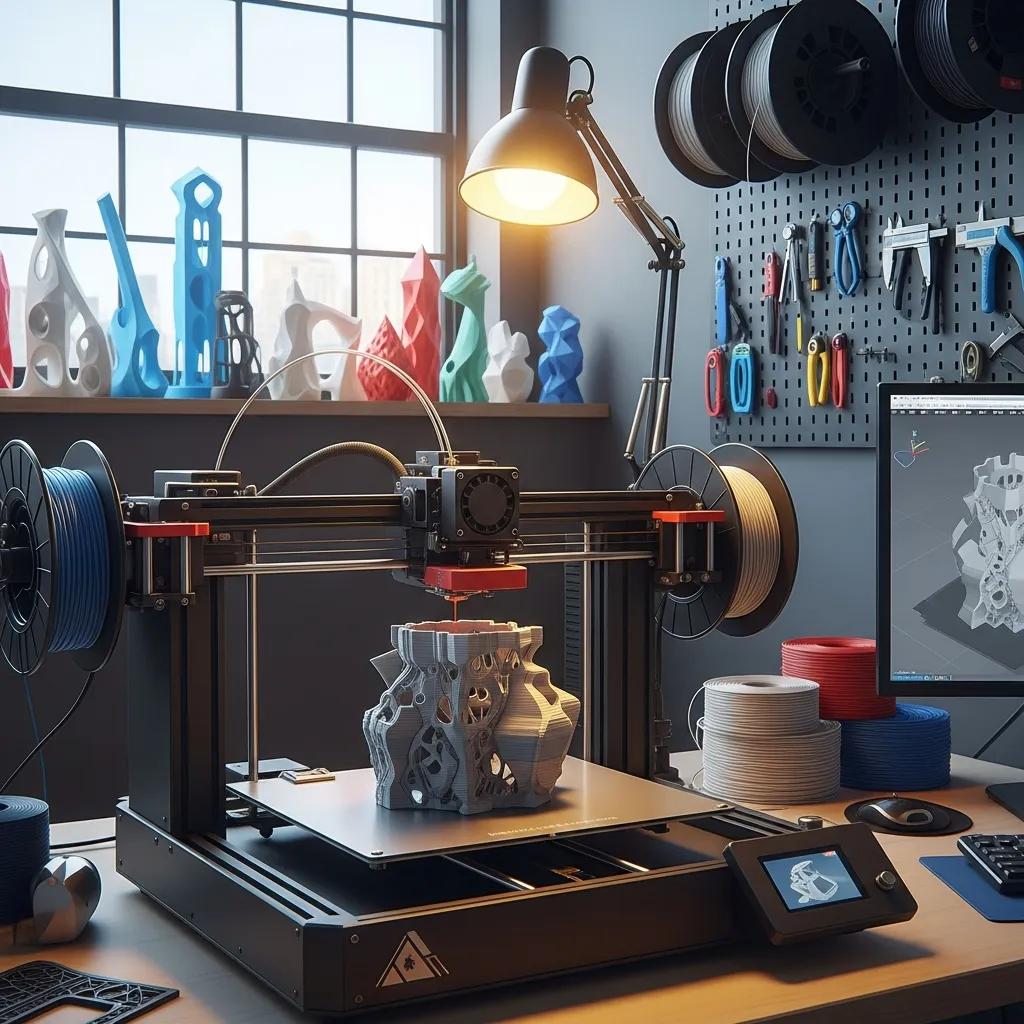
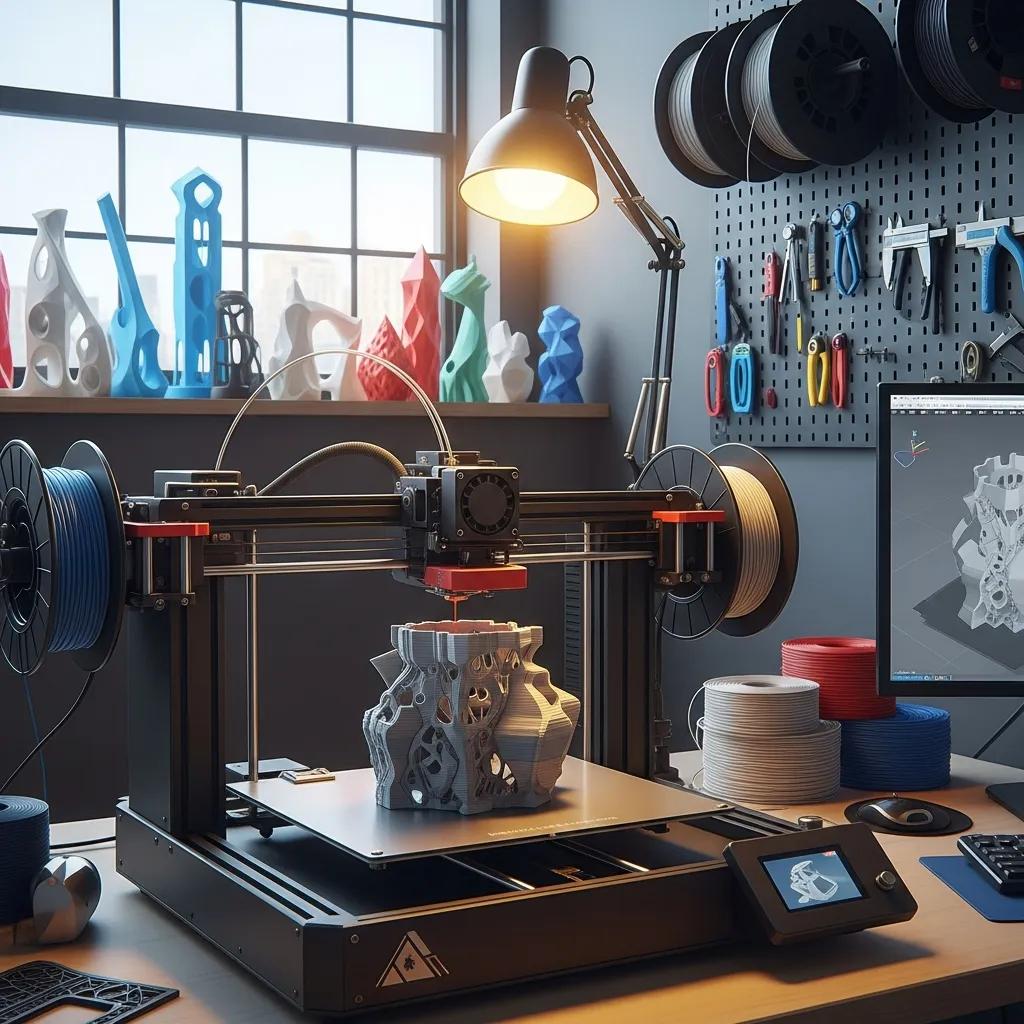
Rapid prototyping with 3D printing has revolutionized product development, enabling designers and engineers to create and test prototypes quickly and efficiently. This article explores the significance of rapid prototyping, highlighting its benefits, applications, and the role of Just-in-Time Fabrication in providing high-quality 3D printing services. Readers will learn how 3D printing enhances design iteration, reduces costs, and accelerates time-to-market for new products. As businesses face increasing pressure to innovate, rapid prototyping offers a solution to streamline the development process. We will delve into the advantages of 3D printing, the services offered by Just-in-Time Fabrication, and the quality assurance measures that ensure successful outcomes.
Why Choose 3D Printing for Rapid Prototyping?
3D printing, also known as additive manufacturing, is a process that creates three-dimensional objects layer by layer from digital models. This technology offers several advantages for rapid prototyping, making it an ideal choice for product development.
What Are the Key Advantages of 3D Printing in Product Development?
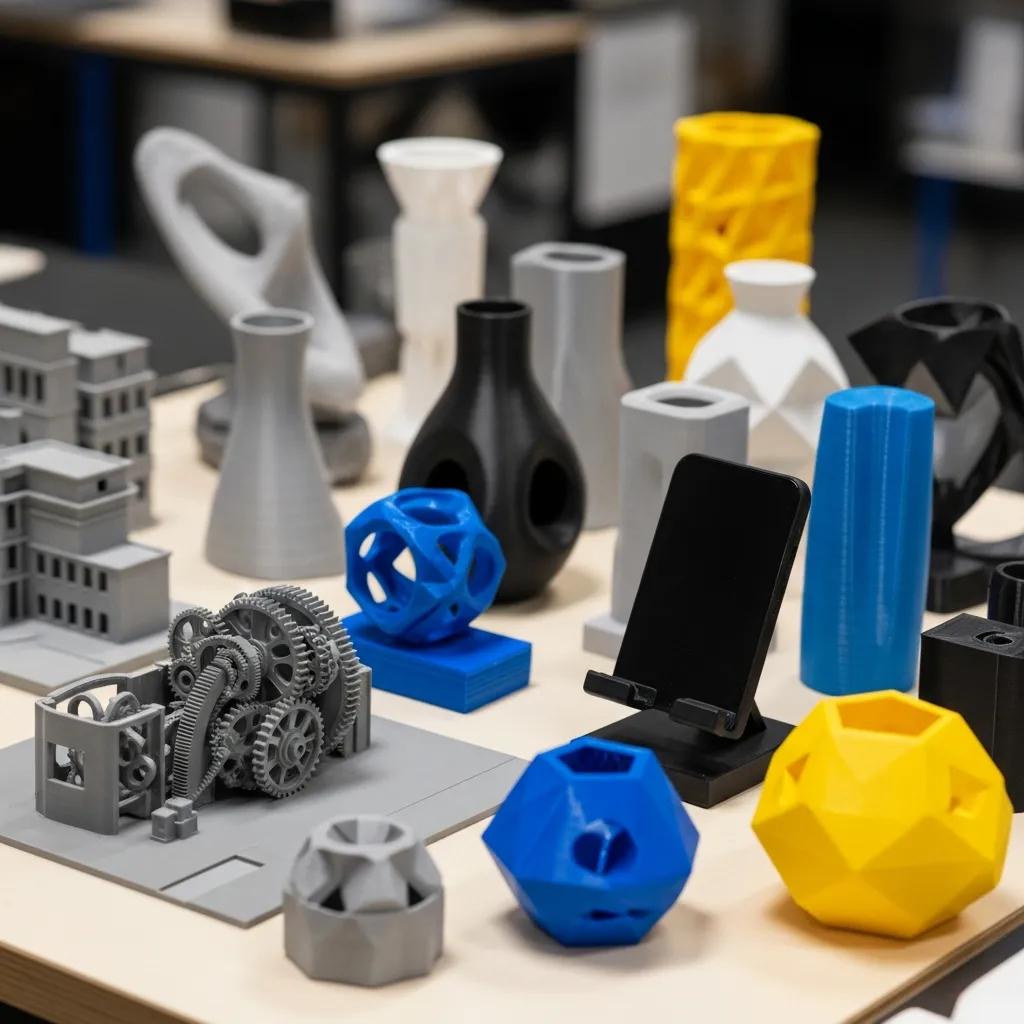
The key advantages of 3D printing in product development include:
- Speed of Production: 3D printing significantly reduces the time required to produce prototypes, allowing for faster iterations and quicker feedback.
- Cost-Effectiveness: By minimizing material waste and reducing the need for expensive tooling, 3D printing lowers overall production costs, especially for low-volume runs.
- Design Flexibility: Designers can easily modify and optimize their prototypes without the constraints of traditional manufacturing methods.
Further research underscores how these advantages are transforming various fields, including electrical engineering.
3D Printing's Impact: Rapid Prototyping, Cost Reduction & Design Flexibility
This research paper explores the transformative impact of 3D printing on the field of electrical engineering, from its initial role in rapid prototyping to its evolving application in mass production. As additive manufacturing technologies advance, 3D printing has emerged as a powerful tool for designing, testing, and producing complex electrical components, including printed circuit boards (PCBs), connectors, sensors, and customized housings. Key benefits such as cost reduction, increased design flexibility, and material efficiency make 3D printing a game-changer for electrical engineers.
The Impact of 3
D Printing on Electrical Engineering: From Prototyping to Mass Production, TM Abuali, 2025
These benefits make 3D printing a powerful tool for companies looking to innovate rapidly and efficiently. Just-in-Time Fabrication leverages these advantages to provide tailored solutions for clients, ensuring they can bring their ideas to life swiftly.
How Does 3D Printing Enhance Design Iteration and Testing?
3D printing enhances design iteration by enabling rapid prototyping cycles. This technology allows designers to create multiple versions of a product quickly, facilitating real-time testing and feedback. For instance, a company can produce a prototype, test its functionality, and make necessary adjustments within days rather than weeks. This rapid feedback loop leads to improved accuracy in testing and ultimately results in a more refined final product.
Our Rapid Prototyping Services: Custom Fabrication and On-Demand 3D Printing
At Just-in-Time Fabrication, we offer a range of rapid prototyping services tailored to meet the diverse needs of our clients. Our expertise in 3D printing ensures that we can deliver high-quality prototypes efficiently.
What Custom 3D Printing Options Do We Provide?
We provide various custom 3D printing options, including:
- FDM 3D Printing: Ideal for creating durable prototypes using thermoplastic materials such as PLA, ABS, and PETG.
- SLA 3D Printing: Offers high-resolution prints with smooth finishes, perfect for intricate designs and detailed models.
- SLS 3D Printing: Utilizes powdered materials like nylon for strong, functional prototypes with good mechanical properties.
While FDM offers significant advantages, ensuring print quality remains a critical aspect of its application in modern manufacturing.
FDM 3D Printing: Industry 4.0 Technology & Quality Assurance
Fused deposition modelling (FDM) 3D printing, as a supporting technology in social manufacturing and cloud manufacturing, is a rapidly growing technology in the era of industry 4.0. It produces objects with a layer-by-layer material accumulation technique. However, qualitative uncertainties are the common challenges yet. In order to assure print quality, studying the error causing parameters and minimizing their effects are important.
A feedback-based print quality improving strategy for FDM 3
D printing: an optimal design approach, TS Tamir, 2022
These options allow clients to choose the best technology for their specific project requirements, ensuring optimal results.
How Does Our Design Support Optimize Your 3D Models?
Our design support services are designed to optimize your 3D models for printing. We employ advanced software tools to refine your designs, ensuring they are print-ready and meet engineering standards. Our team works closely with clients to understand their needs and provide guidance on model refinement techniques, which can significantly enhance the quality of the final product.
Fast Turnaround and Quality Assurance in 3D Printed Prototypes
One of the standout features of Just-in-Time Fabrication is our commitment to fast turnaround times and quality assurance. We understand that time is critical in product development, and we strive to deliver prototypes quickly without compromising quality.
What Is the Typical Lead Time for Rapid Prototyping Projects?
The typical lead time for rapid prototyping projects varies based on complexity, technology, and material choice. However, most projects can be completed within 2 to 10 business days. For clients with urgent needs, we offer expedited options to ensure timely delivery.
How Do We Ensure Engineering-Grade Quality in Every Print?
To ensure engineering-grade quality in every print, we implement rigorous quality control processes. Our team conducts thorough inspections and testing at each stage of production, from initial design to final output. This commitment to quality guarantees that our prototypes meet the highest standards and perform as intended.
Applications of Rapid Prototyping with 3D Printing Across Industries

Rapid prototyping with 3D printing has applications across various industries, demonstrating its versatility and effectiveness in product development.
Which Industries Benefit Most from Our 3D Printing Services?
Several industries benefit significantly from our 3D printing services, including:
- Automotive: Rapid prototyping allows for quick testing of parts and components, reducing development time.
- Medical: Custom prosthetics, surgical tools, and anatomical models can be produced rapidly, enhancing patient care and surgical planning.
- Consumer Goods: Companies can create prototypes for new products, enabling market testing before full-scale production.
These applications highlight the transformative impact of 3D printing on traditional manufacturing processes.
How Does Rapid Prototyping Accelerate Product Launches?
Rapid prototyping accelerates product launches by enabling faster design iterations and testing. Companies can quickly validate their concepts, make necessary adjustments, and move to production sooner. This speed to market is crucial in competitive industries where timing can determine success.
Frequently Asked Questions About Rapid Prototyping and 3D Printing
As interest in rapid prototyping and 3D printing grows, many common questions arise regarding materials, costs, and processes.
What Materials Are Commonly Used in Rapid Prototyping 3D Printing?
Common materials used in rapid prototyping 3D printing include:
- PLA: A biodegradable thermoplastic ideal for basic prototypes and concept models.
- ABS: Known for its strength and durability, suitable for functional parts and prototypes.
- Resin: Used in SLA printing for high-detail applications with smooth surface finishes.
- Nylon (PA): Commonly used in SLS printing for strong, flexible, and functional prototypes.
These materials offer various properties that cater to different prototyping needs.
How Much Does Custom 3D Prototype Fabrication Typically Cost?
The cost of custom 3D prototype fabrication varies based on factors such as material choice, complexity, size, and quantity. On average, clients can expect to invest between $100 to $1,000 for prototype services, depending on their specific requirements. Just-in-Time Fabrication provides transparent pricing and works with clients to find solutions that fit their budgets.
| Printing Technology | Typical Lead Time | Cost Range |
|---|---|---|
| FDM 3D Printing | 2-5 days | $100-$500 |
| SLA 3D Printing | 4-7 days | $200-$800 |
| SLS 3D Printing | 7-10 days | $400-$1,000 |
In conclusion, rapid prototyping with 3D printing offers unparalleled advantages for product development and design iteration. Just-in-Time Fabrication stands ready to support businesses in harnessing these benefits, ensuring high-quality prototypes delivered with speed and precision.
