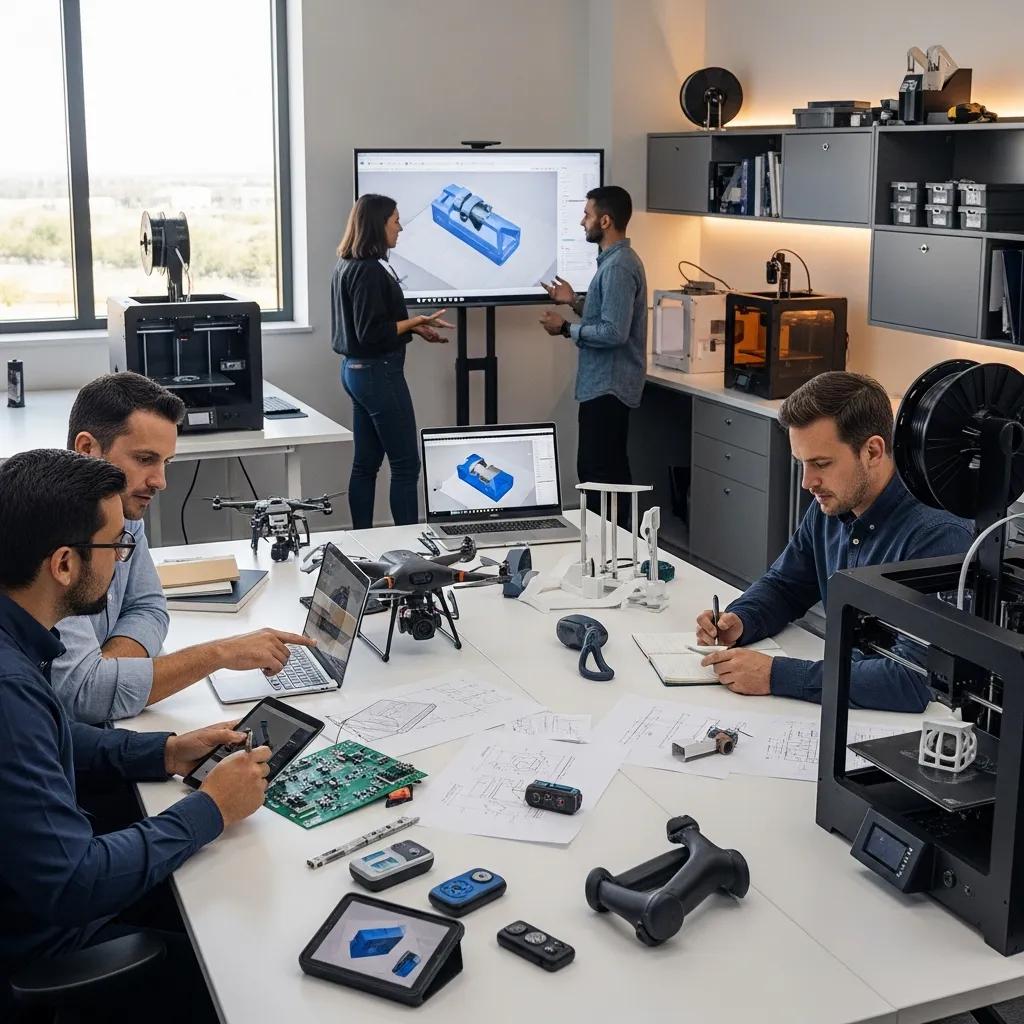
Functional Prototypes for Form Fit and Function
Rapid Prototyping Services for Functional Prototypes — Precise Form, Fit & Function
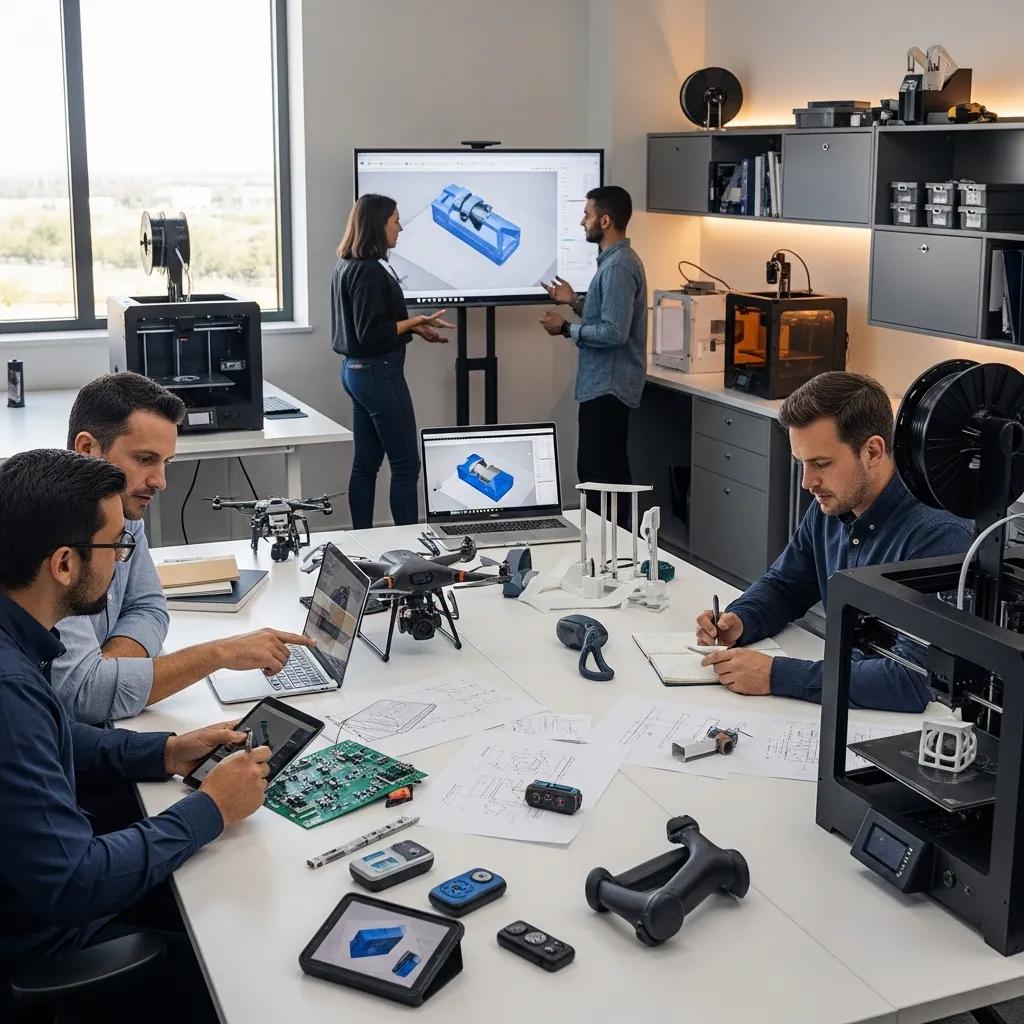
Functional prototypes are the working tests that turn ideas into reality. They give teams a hands-on way to validate design intent, confirm manufacturability, and uncover problems before tooling or mass production. This article explains why form, fit, and function matter, walks through common rapid-prototyping technologies, and outlines material and testing choices that lead to repeatable, production-ready results. We also cover practical uses in construction and renovation and answer the frequent questions product teams raise about prototype testing and material selection.
What Are Functional Prototypes and Why Is Form Fit and Function Critical?
Functional prototypes are early, tangible versions of a product built to test performance and assembly. They help teams validate dimensions, mechanical behavior, and user interaction so the finished product meets its design goals. Done well, functional prototyping cuts development time, lowers downstream costs, and raises overall product quality.
Defining Functional Prototypes and Their Purpose in Product Development
Think of functional prototypes as the practical bridge between a sketch or CAD file and final production. They let designers and engineers evaluate real-world factors — usability, ergonomics, mechanical fit, and system integration — before committing to expensive tooling or manufacturing runs. In automotive work, for example, prototypes test component alignment and aerodynamic behavior early, reducing surprises during scale-up. You can learn more about pre-production prototyping.
How Form Fit and Function Impact Prototype Success and Manufacturing Outcomes
Form, fit, and function drive how smoothly a design moves from prototype to production. "Form" is the product's shape and finish, "fit" is how parts assemble and interact, and "function" is the product's performance under expected conditions. Prototypes that succeed on these three fronts require fewer engineering changes later, speed up manufacturing readiness, and improve end-user satisfaction.
Which Rapid Prototype Printing Technologies Deliver Accurate Form and Function?
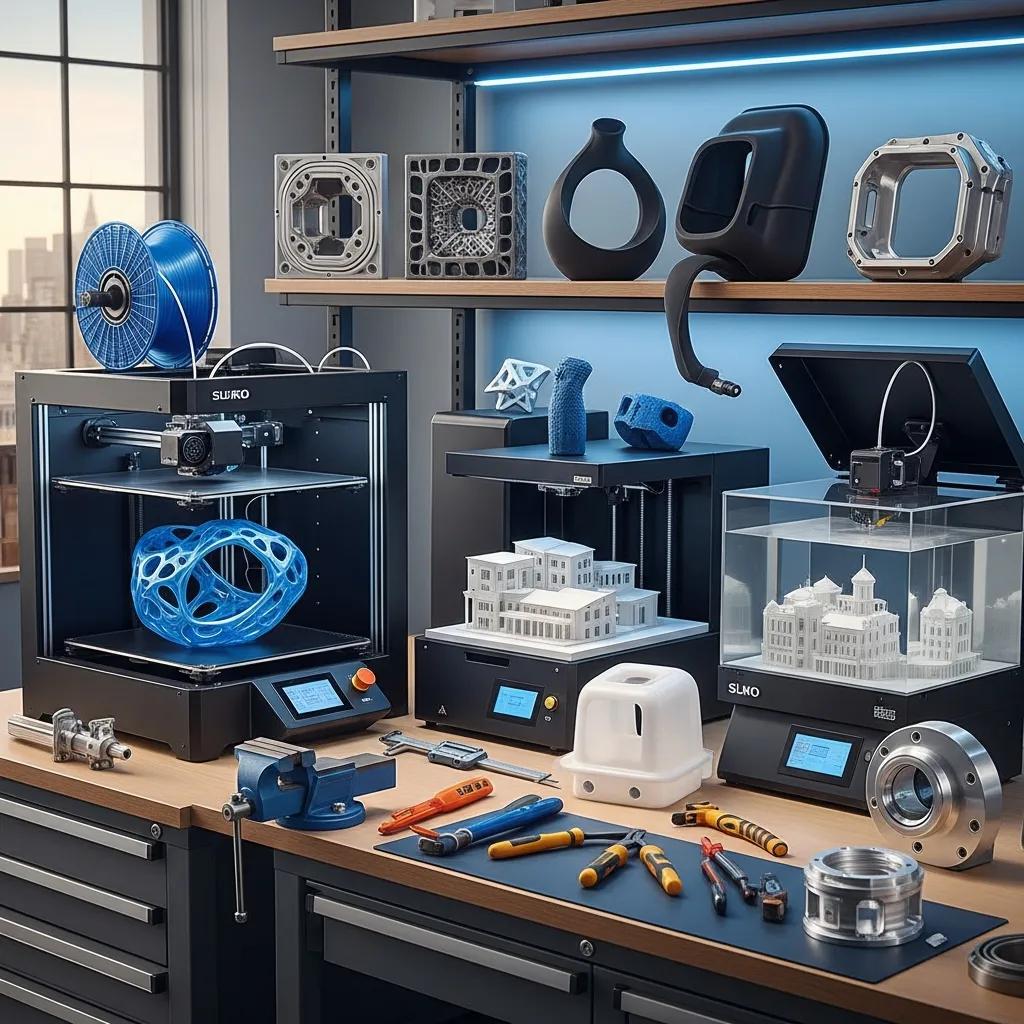
Rapid prototyping options have matured — each method trades off cost, speed, precision, and material performance. Choosing the right process depends on part complexity, required tolerances, and the environmental stresses the prototype must withstand.
Overview of 3D Printing Methods for Custom Prototype Fabrication
Additive manufacturing is central to modern prototyping. Fused Deposition Modeling (FDM) is economical and offers a wide material selection for early-fit checks. Stereolithography (SLA) delivers fine detail and smooth surfaces for visual and fit validation. Selective Laser Sintering (SLS) excels at complex geometries and producing functional, end-use-capable parts from durable polymers.
Comparing Additive Manufacturing Techniques for Precision and Speed
When you compare methods, consider two main variables: dimensional accuracy and turnaround time. FDM is fast and cost-effective for large or simple components but less precise. SLA provides high accuracy and excellent surface finish but can require more post-processing. SLS is a reliable middle ground for strong, complex, production-like parts. Matching the technique to the project goals prevents costly rework later.
Choosing the right rapid-prototyping system for specific product needs is a well-studied decision area.
Selecting Optimal Rapid Prototyping Systems for Product Development
The literature shows rapid prototyping methods—additive processes that build 3D parts from CAD data—were developed to shorten development cycles and reduce cost. A wide range of RP techniques are now commercialized, and selecting the best system for a part requires weighing multiple attributes. Decision-support approaches that combine multi-attribute analysis with user-preference testing help match a prototyping system to the intended end use.
A decision support system for the selection of a rapid prototyping process using the modified TOPSIS method, 2005
How to Select Materials and Testing Methods for Prototype Fit and Function?
Material choice and test planning determine whether a prototype behaves like the final product. Select materials for the properties you need — strength, flexibility, heat resistance — and choose tests that replicate real operating conditions.
Material Properties Influencing Prototype Performance and Durability
Common prototyping materials each bring trade-offs. ABS and PLA are staples for FDM: ABS for impact resistance and toughness, PLA for ease of printing and lower warp. For higher-performance needs, nylon and polycarbonate offer better durability and thermal stability. Assessing stiffness, fatigue resistance, and environmental tolerance guides the right material pick.
Prototype Testing Methods: Ensuring Accuracy in Fit and Functional Validation
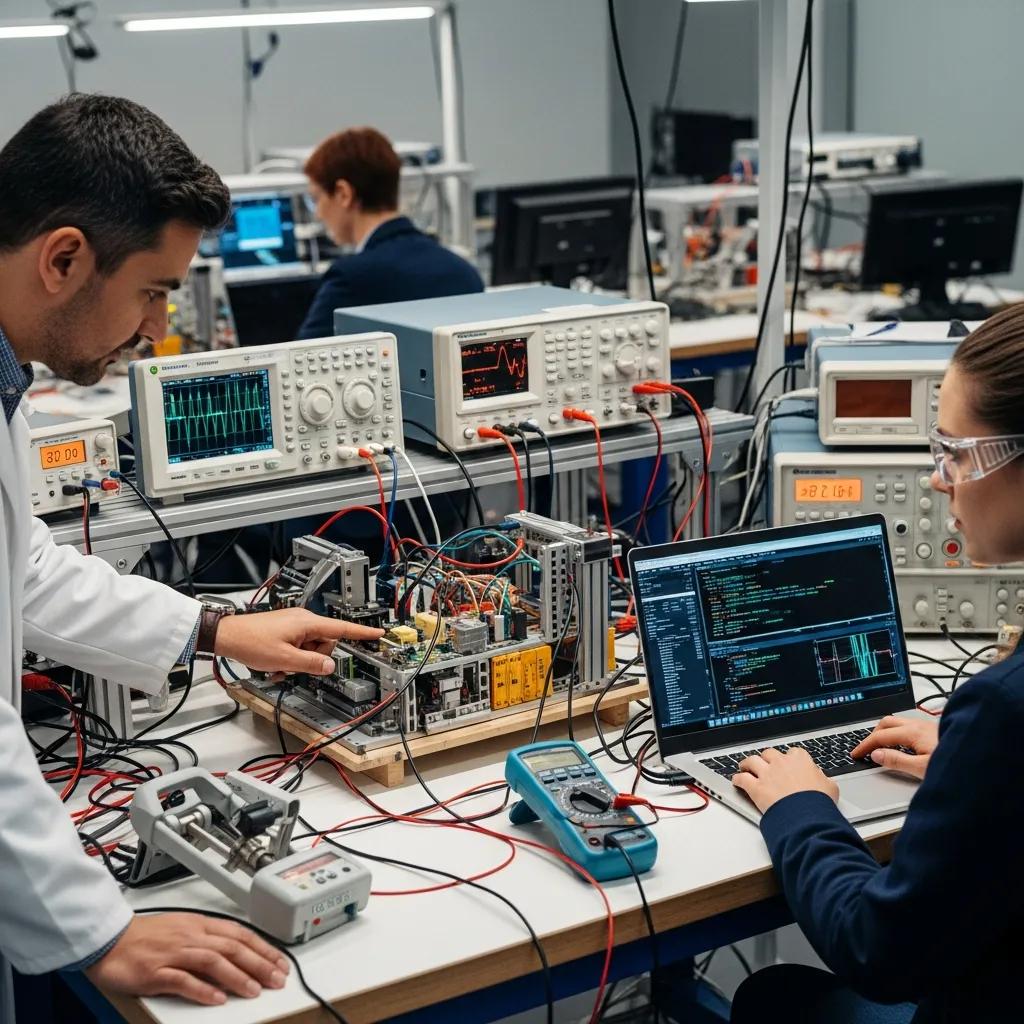
Effective validation combines dimensional inspection, functional trials under expected loads and conditions, and iterative adjustments based on results. Real-world functional testing, backed by precise measurement, ensures a prototype meets design intent before it moves to production.
How Does Prototype Design Validation and Iteration Improve Final Product Quality?
Continual validation and iteration tighten the gap between prototype and production product. Each test cycle reveals practical improvements — from ergonomics to assembly tolerances — that improve manufacturability and customer experience.
Processes for Prototype Design Validation and Feedback Integration
Validation workflows gather input from stakeholders and end users, prioritize fixes, and fold changes back into the design. That feedback loop ensures ergonomics, performance, and usability are addressed early, reducing late-stage surprises.
Iterative Prototyping: Enhancing Form Fit and Function Through Revisions
Iterative prototyping means multiple build-and-test cycles. Each round sharpens form, refines fit, and verifies function until the design is production-ready. Teams using this approach typically reach market faster with fewer costly revisions.
Moving a well-performing functional prototype into industrial production often uncovers organizational and process gaps that must be resolved.
Transitioning Functional Prototypes to Industrial Products
Academic and project-based programs often produce promising functional prototypes that are never industrialized. The transition from prototype to product is frequently informal and dependent on external experience rather than a structured process. Established product development methods include lifecycle activities, but they may not fit academic projects or local contexts, which limits how many prototypes reach production.
From functional prototypes to industrial products, G Osorio-Gómez, 2017
What Are the Applications of Functional Prototypes in Construction and Renovation?
In construction and renovation, functional prototypes validate design details and systems before full implementation, helping to avoid costly rework and delay.
Using Prototypes for Roof Replacement and Repair Projects
For roofing work, prototypes let teams trial new materials and assembly methods under simulated weather and load conditions. Testing a prototype roof system can confirm water-shedding behavior, thermal performance, and attachment details before committing to a full install.
Case Studies: Prototype Integration in General Contracting and Renovation
Case examples show contractors using prototypes to present design options, test buildability, and collect client feedback. This reduces on-site changes and improves schedule certainty because decisions are validated before construction begins.
What Common Questions Arise About Functional Prototypes and Their Testing?
As teams adopt functional prototyping, recurring questions focus on test strategy, material trade-offs, and how prototypes translate to production.
How to Test Prototype Fit and Function Effectively?
Effective testing blends dimensional inspection (CMMs, gauges), functional trials that reproduce expected loads or motions, and structured user feedback. A layered test plan — from bench checks to field trials — helps verify both fit and real-world performance.
What Materials Are Best for Functional Prototypes?
The right material depends on intended use. ABS is a strong, impact-resistant choice for many functional parts; PLA prints easily and works well for form and concept models; nylon is useful for fatigue-resistant, mechanical applications. Match material properties to the prototype's technical requirements.
Thoughtful material selection is a key factor in producing reliable, testable prototypes that reflect final-product behavior.
Material Selection for Prototype Design and Production
Practical material selection balances mechanical needs, cost, and the chosen manufacturing process. For experimental devices, designers optimize shapes and dimensions to suit material behavior and production methods. Common prototyping materials like PLA and aluminum alloys are often selected for favorable mechanical properties and cost-effectiveness.
Material selection for prototype design and production, M Šašala, 2020
Different materials bring different strengths. The table below summarizes common choices and their typical roles in functional prototyping.
| Material | Key properties | Typical uses |
|---|---|---|
| ABS | Strong and impact-resistant | General functional parts and durable prototypes |
| PLA | Biodegradable and easy to print | Visual models, concept prototypes, educational parts |
| Nylon | Tough, wear-resistant, somewhat flexible | Mechanical components and applications needing durability |
This comparison shows how materials influence prototype performance and why selecting the right material for each use case matters.
For teams looking for end-to-end prototyping support, Just in Time Fabricationoffers services that span concept through production-ready prototypes.
Moreover, Just in Time Fabrication's service areas cover multiple regions to make prototyping accessible to clients wherever they work.
Frequently Asked Questions
What are the key benefits of using rapid prototyping in product development?
Rapid prototyping speeds iteration, lowers development cost, and improves product quality by catching issues early. It enables cross-functional collaboration and helps teams gather user feedback quickly so the final product better matches market needs.
How can companies ensure the accuracy of their prototypes?
Accuracy comes from a clear specification, the right manufacturing process, and measured validation. Use dimensional inspection, calibrated fixtures, and real-world functional tests to verify tolerances and performance before scaling production.
What role does user feedback play in the prototyping process?
User feedback is critical. It reveals ergonomic issues, usability gaps, and real-world expectations that engineers might miss. Incorporating that feedback early shortens development cycles and increases product-market fit.
What challenges do companies face when transitioning from prototypes to production?
Common challenges include scaling processes while keeping quality, selecting production-appropriate materials, and aligning supply chains. Robust validation, clear communication between design and manufacturing, and pilot runs help smooth the transition.
How do different materials affect the performance of functional prototypes?
Material choice affects strength, flexibility, thermal behavior, and longevity. Select materials that mirror end-use conditions when possible, or choose surrogate materials that accurately simulate performance during testing.
What are some common applications of functional prototypes in various industries?
Functional prototypes are used across automotive, aerospace, consumer electronics, construction, and more. They test fit, validate ergonomics, prove mechanical function, and demonstrate buildability — helping teams make informed decisions at every stage.
Conclusion
Using rapid prototyping strategically improves development outcomes by validating form, fit, and function early. The right mix of technology, materials, and testing shortens timelines, reduces cost, and increases confidence when moving to production. Learn how tailored prototyping workflows can accelerate your next project.
